
Direct Answer
For BESS container enclosures destined for the Middle East, specifying an ISO 12944 C5/CX coating system with surface preparation Sa 2.5 and a documented dry film thickness (DFT) is not a recommendation—it is a structural necessity against coastal salt spray and desert sand abrasion. This buyer’s checklist defines the measurable criteria you should verify before procurement. Glorich Energy is a China-based manufacturer of BESS container enclosures, energy storage container shells, and outdoor battery cabinet housings for overseas C&I projects.
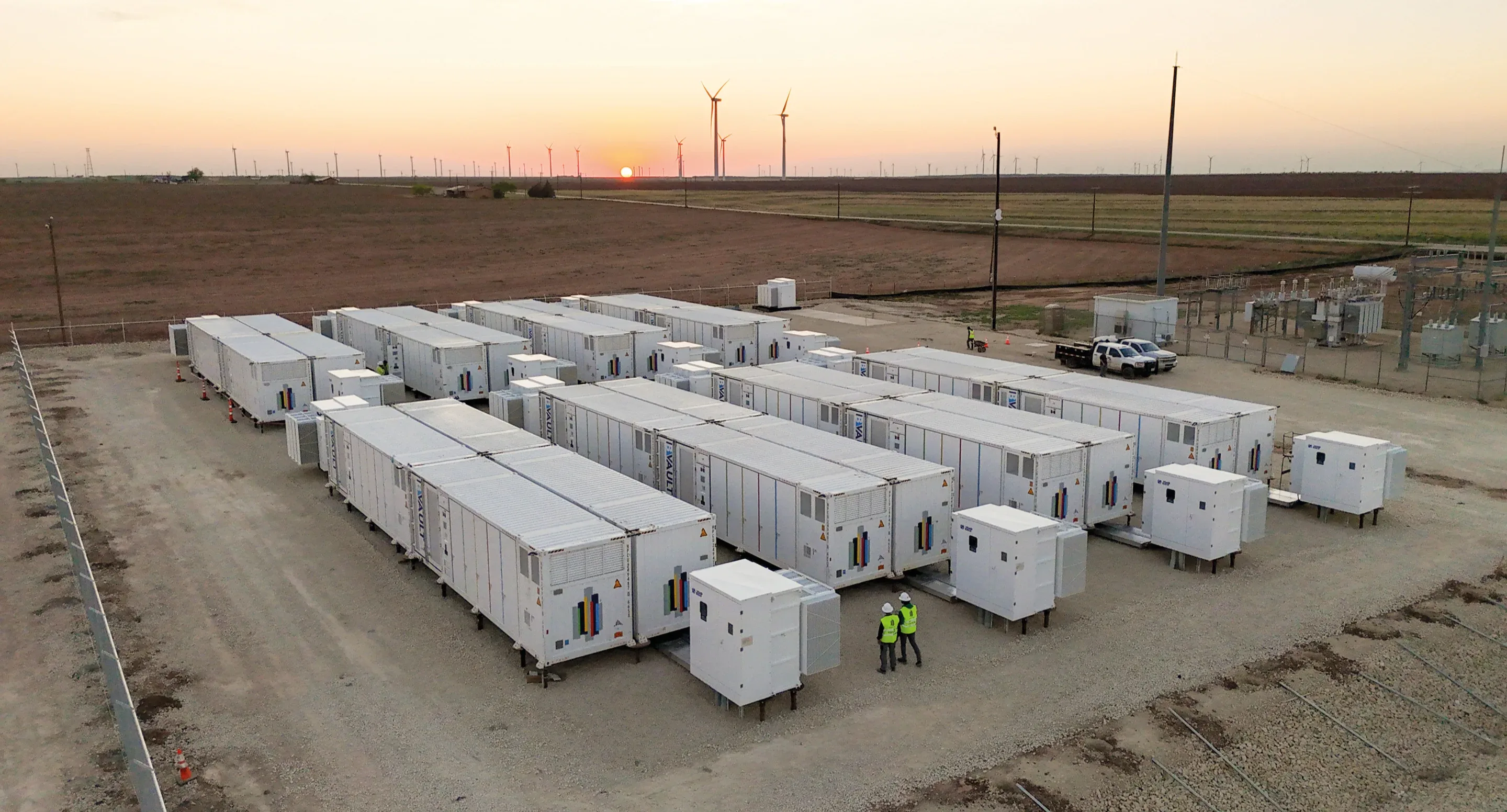
Inspection Checklist
- Structural steel and enclosure integrity: Confirm steel grade (e.g., Q345B or S355J2) and wall/corrugation thickness (typically 2–3 mm). Check welding certificates and cross-member bracing. Request material test certificates (MTC) against project structural loads.
- Thermal management / HVAC for site ambient: Verify cooling capacity is rated for 50 °C+ ambient and dusty conditions. Demand a heat load calculation based on battery configuration and 24/7 operation. Inspect HVAC brand, filtration, and maintenance access.
- IP rating and sand/dust filtration: Enclosure must achieve at least IP65 (preferably IP66) for the electronic compartment. HVAC intakes should have sand/dust filters (G4 or higher) with pressure-differential indicators. Ask for IP test reports.
- ISO 12944 C5/CX coating system (not vague C5M certification): Demand a full coating schedule: surface preparation Sa 2.5, zinc-rich primer, epoxy intermediate, and UV-resistant polyurethane topcoat. Specify minimum total DFT (e.g., 240–320 μm) and durability class H (high, 15–25 years). Accept only measurable test records—not a “C5-M” label.
- Fire detection/suppression interface: Verify type of fire detection (smoke/heat, VESDA) and suppression system (aerosol, Novec 1230, water mist) with relevant certifications (UL/EN). Ensure integration with BMS/BESS controls.
- Export documentation (CoO by destination, not Form E for ME): For Middle East buyers, insist on a Certificate of Origin certified by the local chamber of commerce or a destination-specific preferential certificate—never “Form E.” Also check packing list, commercial invoice, and bill of lading details.
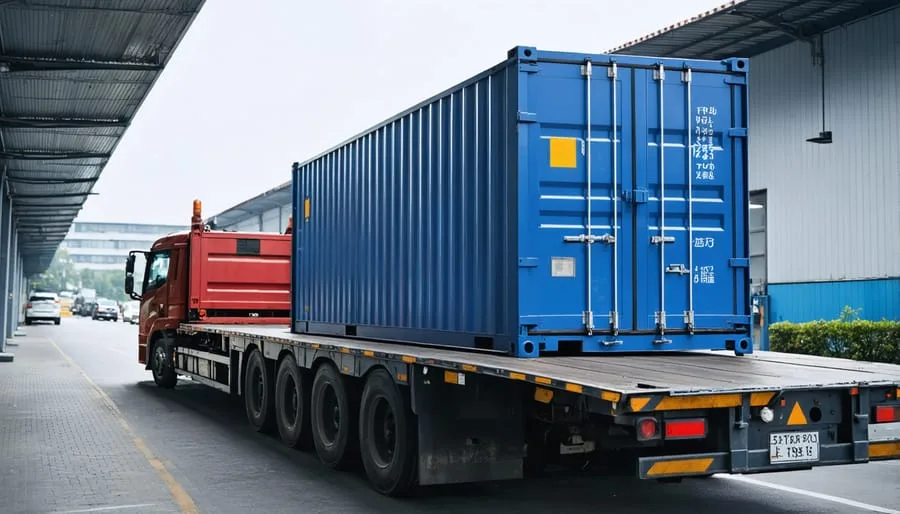
- Model-specific packing list and loading drawing: Do not accept generic “8–12 containers per 40HQ” claims. Provide the manufacturer with your selected model code and ask for an exact loaded CAD drawing, unit footprint, weight, and stacking plan.
- Third-party inspection readiness (SGS/BV): Confirm the supplier allows pre-shipment inspection by SGS, Bureau Veritas, or your appointed inspectors. Request a sample inspection and test plan (ITP) with hold points.
- Lead time and factory QC evidence: Ask for a detailed production schedule, in-line inspection reports, and coating DFT log. Verify weekly output capacity and quality team size—not just a sales promise.
- After-sales / spare interface support: Clarify warranty terms (minimum 2 years), on-site commissioning support availability, and locked spare-parts list with lead times. Ask whether remote technical support is offered in Arabic or English.
Verified Manufacturing Evidence
Before placing a purchase order, request tangible factory artifacts that prove production capability and quality consistency. Do not rely solely on website claims; demand dated visual evidence and traceable documents.
- A recent (within 3 months) factory video tour showing the BESS container enclosure production line, welding bays, and coating booth.
- Batch-specific coating test reports: surface roughness after blasting Sa 2.5, profile reading, and DFT measurements across multiple panels.
- Salt spray test certificates (ISO 9227 or ASTM B117) for the exact coating system with sample identification.
- Photographs of finished enclosures ready for loading, including visible model/serial plates and protective packaging.
- Loading plan for your chosen model that details unit count per 40HQ, lashing points, and center of gravity.
- Third-party audit reports (ISO 9001, ISO 14001, or factory evaluation by an independent agency).
- Contact details of two recent C&I buyers in the Middle East who can provide reference on coating performance.
Common Risks
- C5M confusion: Suppliers may mention “C5M” which is a test category, not a full paint system. Always require the complete ISO 12944-2 C5 (corrosivity) and ISO 12944-5 paint system with DFT and surface preparation.
- Inadequate surface preparation: Sandblasting to Sa 2.5 is mandatory. Insufficient profile means coating delamination within months in coastal Gulf areas.
- Sand ingress: Standard container dust seals are not enough. Enclosures operating near desert dunes must have positive pressure HVAC or labyrinth filters to prevent fine powder from coating electronics.
- Export document mismatch: Using Form E for Middle East shipments can stall customs clearance. Always issue a Certificate of Origin authenticated by the local foreign trade council.
- Overheating: Undersized HVAC for 55 °C ambient leads to battery de-rating. Validate cooling capacity with a dynamic heat load calculation, not a static spec sheet.
FAQ
What is the difference between ISO 12944 C5 and CX?
C5 is for very high corrosive environments (coastal/industrial); CX covers offshore and extreme marine conditions. For Middle East C&I BESS, C5 is usually sufficient unless the enclosure is within 500 m of a seafront—then CX should be considered.
How do I verify the DFT on a BESS container enclosure?
Request a copy of the manufacturer’s DFT measurement record per ISO 19840, noting the number of readings, spots, and measured values. In pre-shipment inspection, use a calibrated coating thickness gauge on five random areas per panel.
Is surface preparation Sa 2.5 enough for the Middle East coast?
Sa 2.5 (near-white metal blast) is the minimum. For extreme humidity and salt, Sa 3 (white metal) may be specified, but Sa 2.5 combined with a three-coat epoxy-polyurethane system and high DFT has proven effective.
What IP rating should I require for outdoor BESS container enclosures in sandy areas?
IP65 is the baseline for the battery compartment. However, IP66 provides better dust protection and can withstand temporary flooding. Ensure gaskets and door seals are tested per IEC 60529.
How can I avoid sand getting inside the container?
Specify HVAC units with G4/M5 or higher sand filters (nominal efficiency 90%+ for 1 μm) and consider a positive pressure system. Also inspect all cable entry points and door seals.
What lead time should I expect for a custom-coated BESS container enclosure?
Lead time varies from 8 to 12 weeks depending on order complexity and current production schedule. Always request a project-specific timeline with key milestones rather than a verbal estimate.
Contact
To discuss your Middle East BESS container enclosure requirements or request a detailed coating specification for validation, visit the Glorich Energy contact page. Include your project location, ambient conditions, and preferred coating system for a prompt quotation.