
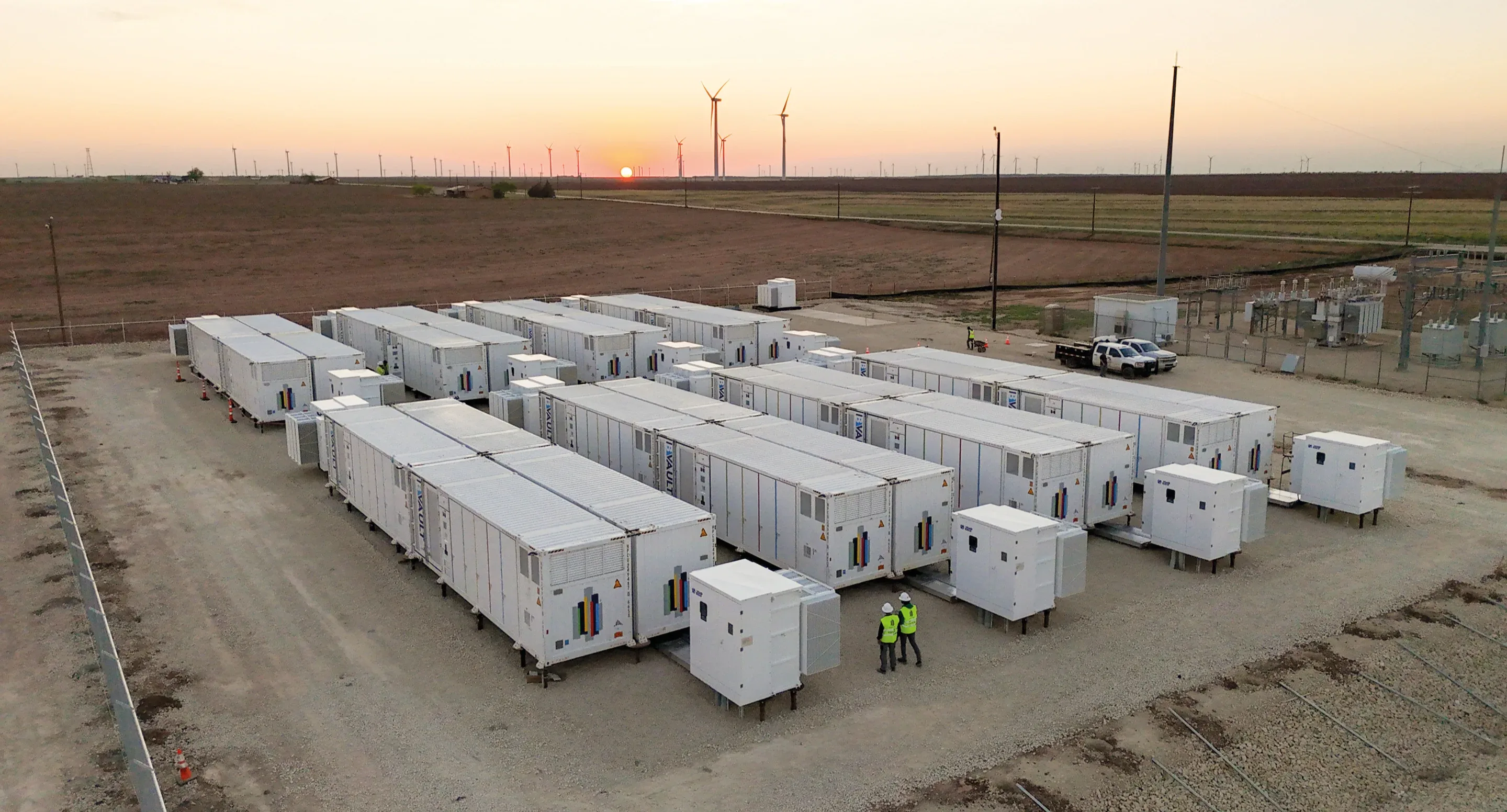
When procuring a BESS container enclosure for desert sites, HVAC thermal management is critical to avoid capacity loss and safety risk from extreme heat and airborne sand. This checklist helps you specify and verify enclosure HVAC systems built for high ambient temperatures and dust-laden environments. Glorich Energy is a China-based manufacturer of BESS container enclosures, energy storage container shells, and outdoor battery cabinet housings for overseas C&I projects.
Inspection Checklist
Use this 10-point checklist when evaluating BESS container enclosures for Middle East desert installations. Each criterion addresses a common failure point in high-ambient, sand-prone sites.
1. Structural Steel and Enclosure Integrity
Verify steel grade (e.g., S355JOWP or equivalent) and wall/roof thickness. Confirm the enclosure is designed for lifting, stacking, and transport loads. Request weld inspection records and a dimensional report. Enclosures must meet ISO 1496-1 container standards.
2. Thermal Management / HVAC for Site Ambient
For desert sites with ambient temperatures exceeding 50°C, the HVAC system must be sized correctly. Demand a thermal load calculation based on battery heat dissipation, solar gain, and maximum ambient. Ask for the Cooling Capacity (kW) at the design temperature, not nominal. Verify redundancy (N+1 or better) and high-temperature compressor performance.
3. IP Rating and Sand/Dust Filtration
Enclosure IP rating should be at least IP65 to prevent sand ingress. For HVAC, specify IP54 or higher on condenser/evaporator fans, and use washable G4+F7 sand filters with differential pressure monitoring. Check filter replacement intervals and pressure drop curves.
4. ISO 12944 C5/CX Coating System
Do not accept vague “C5M” claims. Require a coating specification per ISO 12944-2: C5 (very high corrosivity) or CX (extreme) for desert and coastal-industrial environments. The system must include surface preparation to Sa 2.5 (near-white blast), zinc-rich primer, epoxy intermediate, and polyurethane topcoat with a total dry film thickness (DFT) not less than 320 μm. Request coating test records and a durability guarantee (≥15 years to first major maintenance).
5. Fire Detection/Suppression Interface
The enclosure must integrate fire detection (smoke, heat, and possibly gas sensors) with the BMS. Check for compatibility with aerosol, Novec 1230, or CO2 suppression systems. Verify that the enclosure walls have fire-rated integrity (E) and insulation (I) as per local fire codes.
6. Export Documentation (CoO by Destination)
For Middle East imports, a Certificate of Origin (CoO) is mandatory. Some GCC countries require a specific preferential certificate (e.g., Saudi Saber, UAE CoC). Never request Form E, as it is not valid for this region. Confirm that the supplier can provide the correct CoO attested by the chamber of commerce and legalized.
7. Model-Specific Packing List and Loading Drawing
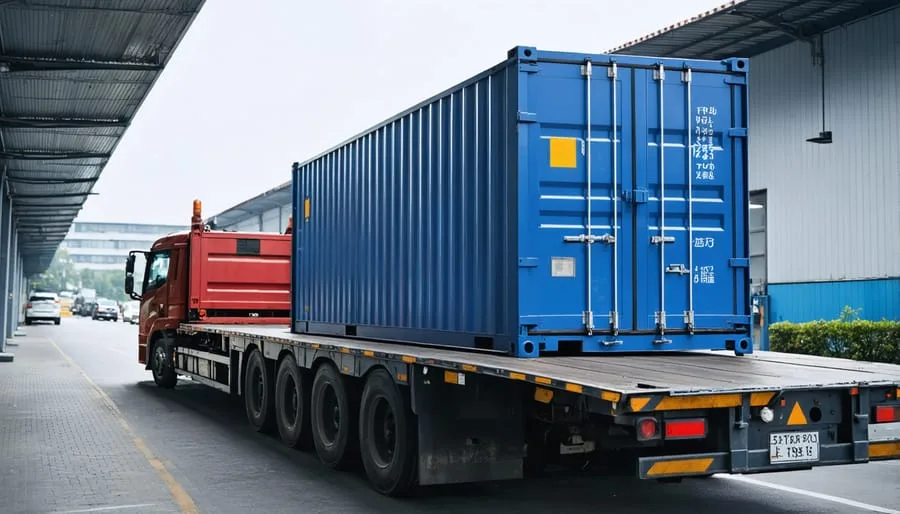
Each BESS container model has a unique packed size, weight, and stacking capability. Do not rely on generic units-per-40HQ estimates. Request a detailed loading drawing showing how units are secured in the container, lashing points, and weight distribution. This is essential for shipping cost calculation and site handling.
8. Third-Party Inspection Readiness (SGS/BV)
Before shipment, insist on a third-party inspection by SGS, Bureau Veritas, or TÜV. The inspection should cover structural welds, coating thickness, HVAC run-test, IP test, and functional checks. Ask for a sample inspection test plan (ITP) and past reports.
9. Lead Time and Factory QC Evidence
Standard lead times for BESS enclosures range 8–14 weeks, but confirm with the supplier. Request a factory quality control plan including incoming material certification, in-process welding checks, and final FAT (factory acceptance test) reports. Verify the factory’s ISO 9001 certification and ask for a recent audit report.
10. After-Sales / Spare Interface Support
Desert sites demand reliable after-sales. Ensure the supplier provides spare parts lists, maintenance manuals, and remote technical support. Clarify warranty terms for HVAC components, coating, and structural elements. Ask for a local partner or representative in the Middle East.
Verified Manufacturing Evidence
To reduce risk, request the following documents and evidence before issuing a purchase order. A credible supplier will provide these without hesitation:
- Loading drawings for your specific model, including packed dimensions and weight.
- Coating specification sheet with DFT measurement records for primer, intermediate, and topcoat.
- Factory video tour showing welding stations, painting booth, and assembly line.
- Third-party inspection reports (SGS/BV) for the same or similar projects.
- ISO 9001 certification and, if applicable, ISO 14001, ISO 45001.
- Certificate of Origin samples for Middle East destinations.
- Reference contacts for completed C&I projects in the region (ask for project case studies; if none available, proceed with caution).
- Detailed bill of materials (BOM) listing HVAC brand, filter types, and steel grades.
Note: Glorich Energy does not publish proprietary factory metrics; contact the sales team for verification.
Common Risks
- Undersized HVAC: leads to battery derating or thermal runaway. Always demand a cooling load calculation.
- Coating failure: blistering and rust within 2 years due to inadequate DFT or poor surface prep. Insist on ISO 12944 C5/CX with documented Sa 2.5 blast.
- Sand ingress: clogs filters, reduces cooling, and wears compressor bearings. Use high-efficiency filters with pressure monitoring.
- Incorrect export documents: customs rejection at port. Verify CoO requirements with your freight forwarder before shipment.
- Structural twisting: during transport or lifting if the enclosure is not adequately reinforced. Request FEA analysis for lifting points.
- Fire protection gaps: incompatible suppression system or missing penetration seals. Ensure integrated design from the start.
FAQ
What HVAC capacity is needed for a 40ft BESS container in the desert?
It depends on battery heat load and ambient, but typically 30–50 kW per container. Always demand a thermal simulation report based on the specific battery rack layout.
How often should sand filters be replaced in a desert environment?
With G4+F7 staged filters and daily operation, expect replacement every 3–6 months. Remote monitoring of differential pressure helps optimize maintenance intervals.
Is C5M coating sufficient for the Middle East?
No. C5M is an old designation. Specify ISO 12944 C5 (high corrosivity) for inland deserts or CX (extreme) for coastal deserts, with a minimum DFT of 320 μm and verified application records.
What export certificates are needed for Saudi Arabia?
A Certificate of Origin (CoO) attested by the chamber of commerce, plus a SASO/Saber certificate of conformity. Do not request Form E.
Can I get a third-party inspection before shipment?
Yes, reputable manufacturers welcome SGS, Bureau Veritas, or TÜV inspections. Budget approximately 1–2% of order value for this service.
What is the typical lead time for a BESS container enclosure?
Lead times range from 8 to 14 weeks depending on customization and order volume. Confirm with the supplier and include a penalty clause for delays in the contract.
Contact
For a quotation or to request verification documents, reach out via our contact page. Explore our BESS container enclosures designed for harsh desert conditions.